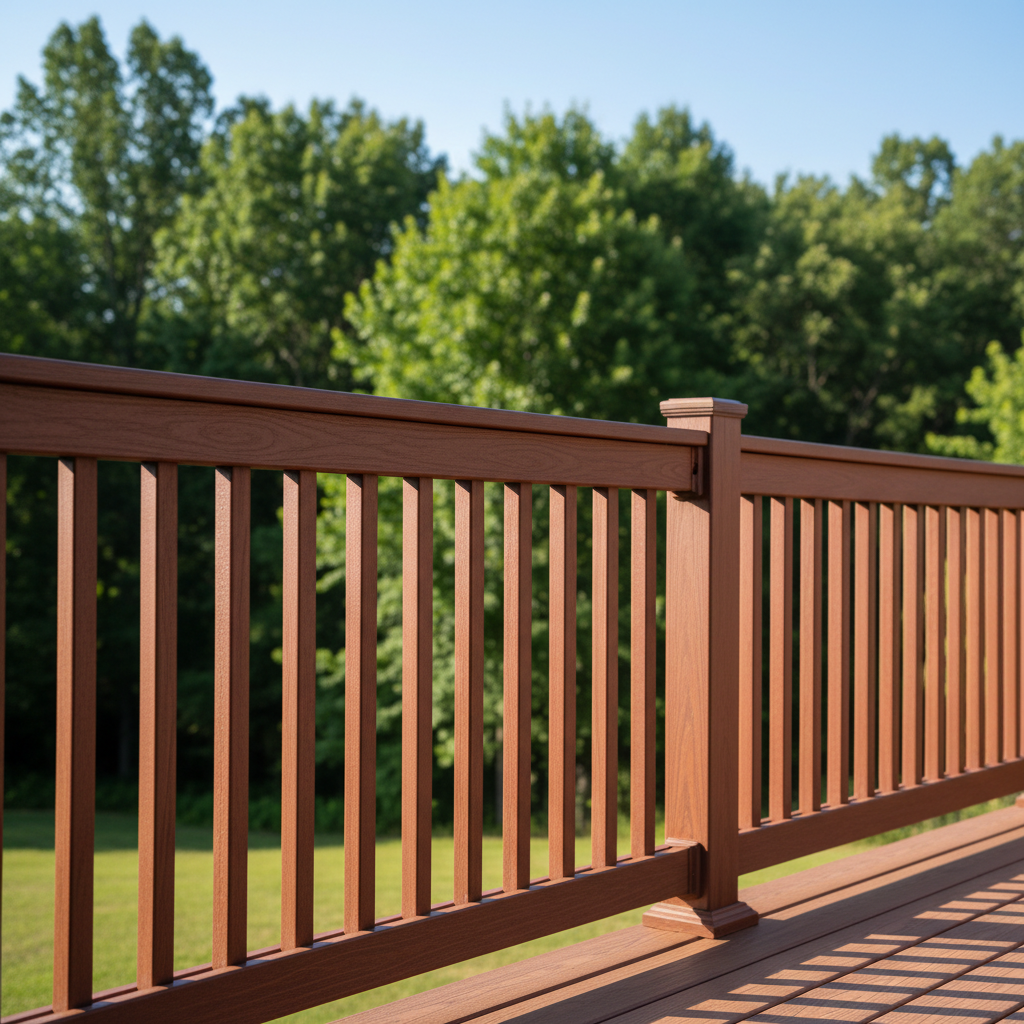
What are my best options for railing materials, and how do they hold up here in Halls?
When you're looking at deck railings, you've got a few main choices, and each one comes with its own good points and bad points, especially given our humid summers and those occasional icy winters we get here in Halls. Wood is a classic, right? Usually, we're talking pressure-treated pine or cedar. It's affordable upfront and looks natural, but it needs regular care – staining or painting every couple of years to keep it from rotting, splintering, or fading. If you don't keep up with it, well, it'll definitely show. Then there's composite, like Trex or Fiberon. This stuff is fantastic if you hate maintenance. It's made from recycled plastics and wood fibers, so it won't rot, warp, or splinter. It costs more initially, sure, but you'll save a ton on upkeep over the years. Aluminum is another great choice; it's lightweight, strong, and rust-proof. You can find it in different colors and styles, and it's practically maintenance-free. Vinyl (PVC) is pretty similar to composite in that it's low-maintenance, and it comes in various styles, often looking like painted wood without all the fuss. Finally, cable railings are really popular for modern homes or if you're trying to keep a great view unobstructed. They use thin stainless steel cables run horizontally or vertically. They're sleek and durable, but they're generally the priciest option.
Do I really need a railing if my deck isn't that high off the ground?
This is a question I get a lot, and the short answer is: probably, yes. Most local building codes, including ours around Halls and Lauderdale County, require a railing on any deck surface that's more than 30 inches above the ground. That 30 inches? It's measured from the ground directly below the deck to the walking surface of the deck itself. It's not just about keeping people from falling; it's about meeting code. If you don't have one when it's required, you could run into issues with insurance, resale, or even fines if an inspector catches it. Even if your deck is just under that 30-inch mark, a railing can still add a lot of comfort, especially if you have kids, pets, or older folks using the deck. It's a safety feature first and foremost, after all.
What's the standard height for deck railings?
The standard height for residential deck railings is 36 inches, measured from the surface of the deck to the very top of the rail. This is pretty much universal across the country, and it's what we stick to for Coastal Deck Solutions projects around here. For commercial properties, or if your deck is significantly higher off the ground (like over 6 feet), the code might actually require 42 inches. It's always best to double-check the specific local codes for Halls, but 36 inches is what you'll typically find and what's generally considered safe and compliant for most homes.
Can I mix and match different railing styles or materials?
Absolutely, and it can look really sharp if done right! You see this a lot with composite decks where folks might use composite posts and top rails but then opt for aluminum balusters or even glass panels in between. Or maybe a wood deck with black aluminum pickets for a modern touch. Mixing materials can add visual interest and sometimes even save you a bit of money if you're strategic. Just make sure the different components are compatible and meet structural requirements. You definitely don't want to compromise safety for aesthetics. We can help you figure out combinations that look good and are structurally sound.
How much maintenance do different railing types actually require?
This varies a lot. Wood railings are the highest maintenance. They need to be cleaned, sanded, and re-stained or painted every 1-3 years, depending on how much sun and rain they get. If you skip this, they'll start to look rough, splinter, and eventually rot. Composite and vinyl railings are super low maintenance. A good wash with soap and water a couple of times a year is usually all they need to look new. Aluminum railings are also very low maintenance; they might just need an occasional rinse to remove dirt. Cable railings need a bit more attention than aluminum or composite. While the cables themselves are stainless steel and durable, you might need to periodically check and re-tension them to keep them taut, and clean them to maintain their shine. If you're looking for truly hands-off, composite or aluminum are your best bet.
What about gates for my deck railing? Are they necessary?
If your deck has stairs leading down to the yard or another area, a gate at the top of the stairs is often a really good idea, especially if you have young children or pets. It creates a contained space on the deck, preventing accidental falls down the stairs. Code usually doesn't *require* a gate unless it's for a pool deck, but it's a smart safety addition for families. The gate needs to be self-closing and self-latching, with the latch out of reach of small children. We can integrate a gate seamlessly into your chosen railing system, making sure it's secure and functional.
What's the deal with local building permits for railing work?
Anytime you're making significant structural changes to your deck, or installing a new railing system, you'll likely need a building permit from Lauderdale County. Even if you're just replacing an old railing, if the new one involves different attachment methods or significantly alters the structure, it's best to check. The permit process ensures that the work meets safety standards and local codes. It might seem like a hassle, but it's there to protect you and your investment. Plus, if you ever sell your house, having all the work permitted and inspected can make the process smoother. We always handle the necessary permits for our clients, making sure everything is up to snuff before we even start swinging hammers.