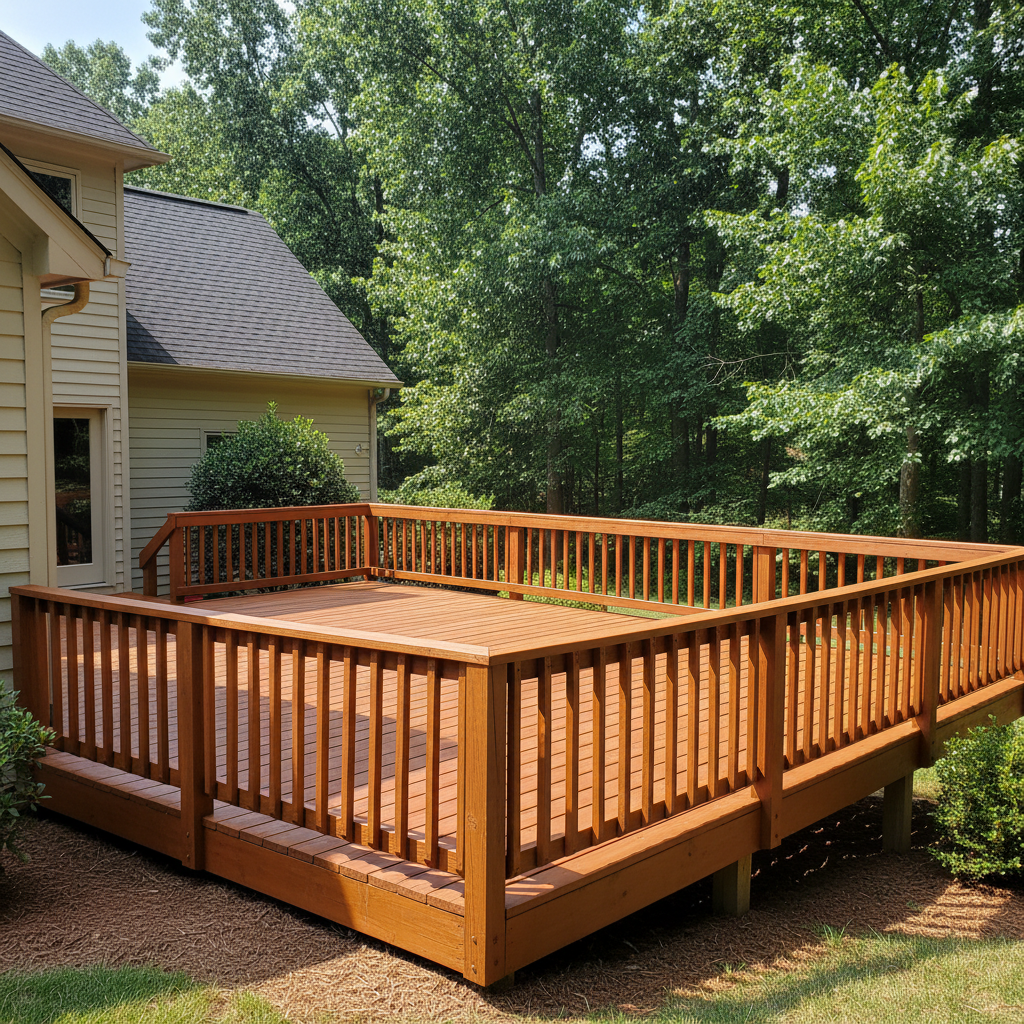
Alright, let's talk about your deck. It's a big investment, a place for family cookouts and enjoying those warm Tennessee evenings. So when it comes time to stain or paint it, you want it done right. But man, I've seen some real head-scratchers over the years – mistakes that could've been easily avoided. As someone who's been doing this a long time with Coastal Deck Solutions, I want to share what I've seen go wrong so you don't end up regretting your choices.
Mistake #1: Skipping the Prep Work (Or Doing It Wrong)
This is probably the biggest one, and it's where most DIYers, and even some 'pros,' really mess up. You just can't slap a new coat of stain over old, peeling stuff or a dirty deck. It won't stick, plain and simple, and it'll look like garbage in no time. Think about it: if you don't clean off all the mildew, dirt, and old, loose finish, that new stain is just going to sit on top of the crud. It'll peel, flake, and look worse than before within a year, especially with our humid summers here in Halls.
Proper prep means a thorough cleaning, usually with a good deck cleaner and a pressure washer (used carefully, mind you – too much pressure can really damage the wood!). After that, you need to let it dry completely. And I mean completely. Not just 'looks dry.' If there's moisture trapped in the wood, your stain won't adhere properly, and you'll be back to square one much faster than you'd like. What a pain!
Mistake #2: Choosing the Wrong Product for the Job
Walk into any big box store, and you'll see a whole wall of deck stains and paints. It's overwhelming, right? But not all products are created equal, and not all are right for every deck. You've got transparent, semi-transparent, semi-solid, and solid stains, plus deck paints. Each has its own good points and bad points.
- Transparent/Semi-Transparent: These let the wood grain show through. They're beautiful, but they offer less protection from UV rays and wear. You'll likely need to reapply them more often.
- Semi-Solid/Solid Stains: These have more pigment, so they hide more of the wood grain but give better protection. They last longer, though you do lose some of that natural wood look.
- Deck Paints: These completely cover the wood. They offer the most protection and can really change how your deck looks, but they can peel if not applied perfectly or if the deck moves a lot.
The type of wood your deck is made from, its age, and even how much sun it gets all play a role. Don't just grab the cheapest can or the one on sale. Talk to someone who knows their stuff, or do your homework. Using an oil-based product over a water-based one (or vice-versa) without proper stripping can also lead to disaster, believe me.
Mistake #3: Hiring the Cheapest Bid Without Asking Questions
I get it, everyone wants a good deal. But when it comes to deck staining, the lowest bid is often the most expensive in the long run. Why? Because corners get cut. They might skip the proper cleaning, use cheap, inferior products, or rush the job, leading to a finish that fails quickly.
When you're getting quotes, don't just look at the price. Ask:
- What specific products do they use (brand, type of stain)?
- What's their prep process? Do they clean, brighten, and let it dry?
- Are they insured? (This is a big one, folks!)
- Do they have references? Can you see examples of their work?
- What's their warranty on the work?
A good contractor, like us at Coastal Deck Solutions, will be happy to answer all these questions and explain their process. They won't just give you a number; they'll give you a plan. If someone's rushing you or can't clearly explain what they're going to do, that's a huge red flag. You want someone who cares about the longevity of your deck, not just getting in and out.
Mistake #4: Ignoring Weather Conditions
You wouldn't paint your living room in the pouring rain, right? Same goes for your deck. Stains and paints need specific temperature ranges and dry conditions to cure properly. Trying to stain on a super humid day, or when rain is expected within 24-48 hours, is just asking for trouble. The finish won't cure correctly, it'll be splotchy, or it'll just wash away.
Also, don't try to stain in direct, blistering sun. The product can dry too fast, leading to lap marks and an uneven finish. The best conditions are usually overcast days, or doing the work in the morning or late afternoon when the sun isn't directly beating down. You need to pay attention to the forecast, not just for the day of application, but for a few days after.
Your deck is an extension of your home. Treat it right, and it'll serve you well for years. Cut corners, and you'll be dealing with headaches and spending more money down the road to fix what went wrong. It's worth taking the time to do it right, or hiring someone who will.